Vented or sealed, air-ride or leaf spring, two or three axles — the dry van options that actually change what you can haul, and what it costs you to run it.
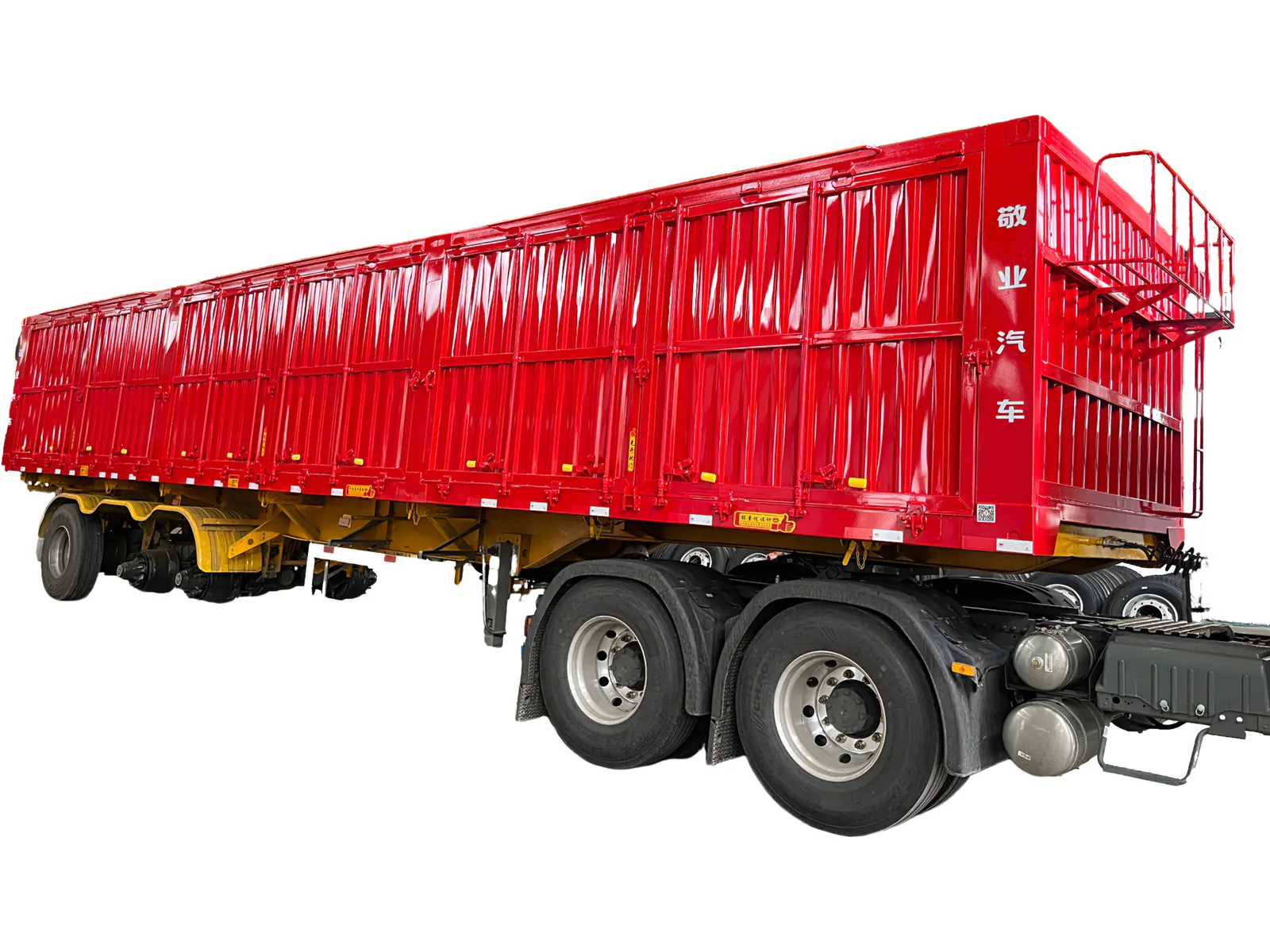
A sealed body keeps weather, dust and hands out. A vented body does the same but lets air move through the load.
The decision belongs to the cargo, not the route. Anything that gives off moisture or heat in transit — produce, some packaged foods, certain chemicals in drums — will sweat inside a sealed box and arrive wet. Anything that must stay dry, or that you would rather nobody could reach at a border queue, wants the sealed body.
Vents are specified at build. Retro-fitting them later means cutting a body that was welded to be continuous, so it is worth deciding now even if the load mix is uncertain.
Air bags carry the load on a column of air rather than on stacked steel. Three things follow.
The ride is gentler, which matters if what you carry is fragile or if you are running long distances on poor surfaces. Load sharing between axles is better, because the bags equalise rather than each spring carrying whatever the geometry gives it. And you can raise and lower the deck, which turns a bay that was almost the right height into one that works.
A leaf pack gives you none of that and costs you nothing to keep running. There is no air system, no valves, no levelling, and nothing that needs a workshop that has seen one before. On routes far from support, that is not a small thing.
Neither is the upgrade. Air-ride suits long-haul on made roads with fragile freight; leaf packs suit hard duty far from a workshop.
Axle count and rating follow your legal limits and your usual load rather than a house standard. Three axles is the common export configuration; two suits lighter work and tighter weight limits.
ABS and axle brakes are fitted as standard on every unit we build — they are not an option we quote separately. Reflective conspicuity markings are standard for the same reason.
ABS, axle brakes and reflective conspicuity markings are on every trailer that leaves this plant.
Specified at order if you want them: tyre pressure monitoring, a reversing camera with audio, lane departure warning, and onboard video monitoring. These are worth having on long-distance fleet work where the driver is the only person who will notice a problem before it becomes one.
The configuration options above sit on the same body: 12.9 m internal length, 2.45 m internal width, 1.8 m internal height, 56.9 m³. What the options change is how the load rides and how the air moves, not how much of it fits.