Pick the trailer by what you haul and where it runs, not by catalogue name.
Two things decide a bulk haulage vehicle before anything else: how dense the material is, and what the road does to a frame.
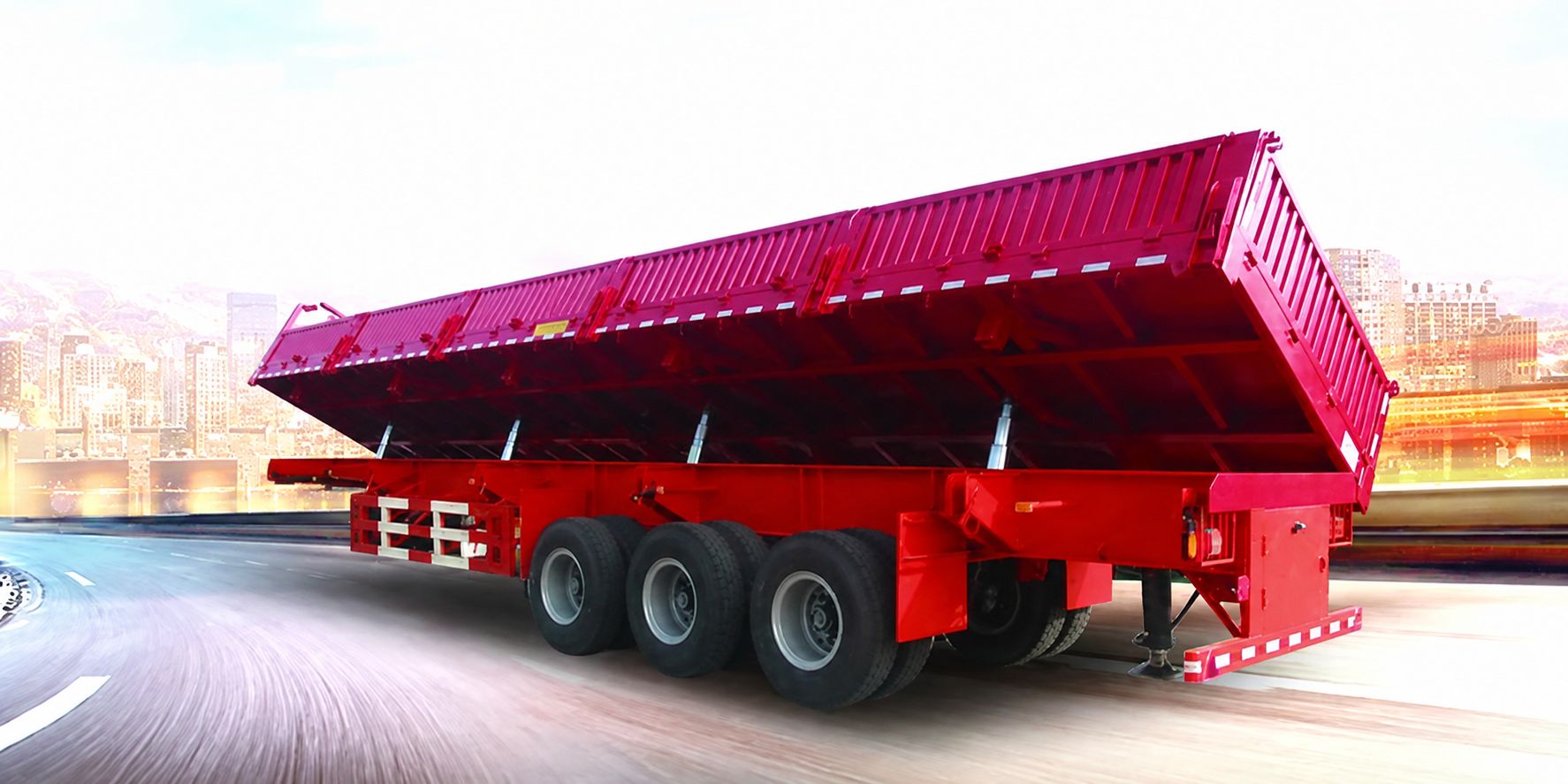
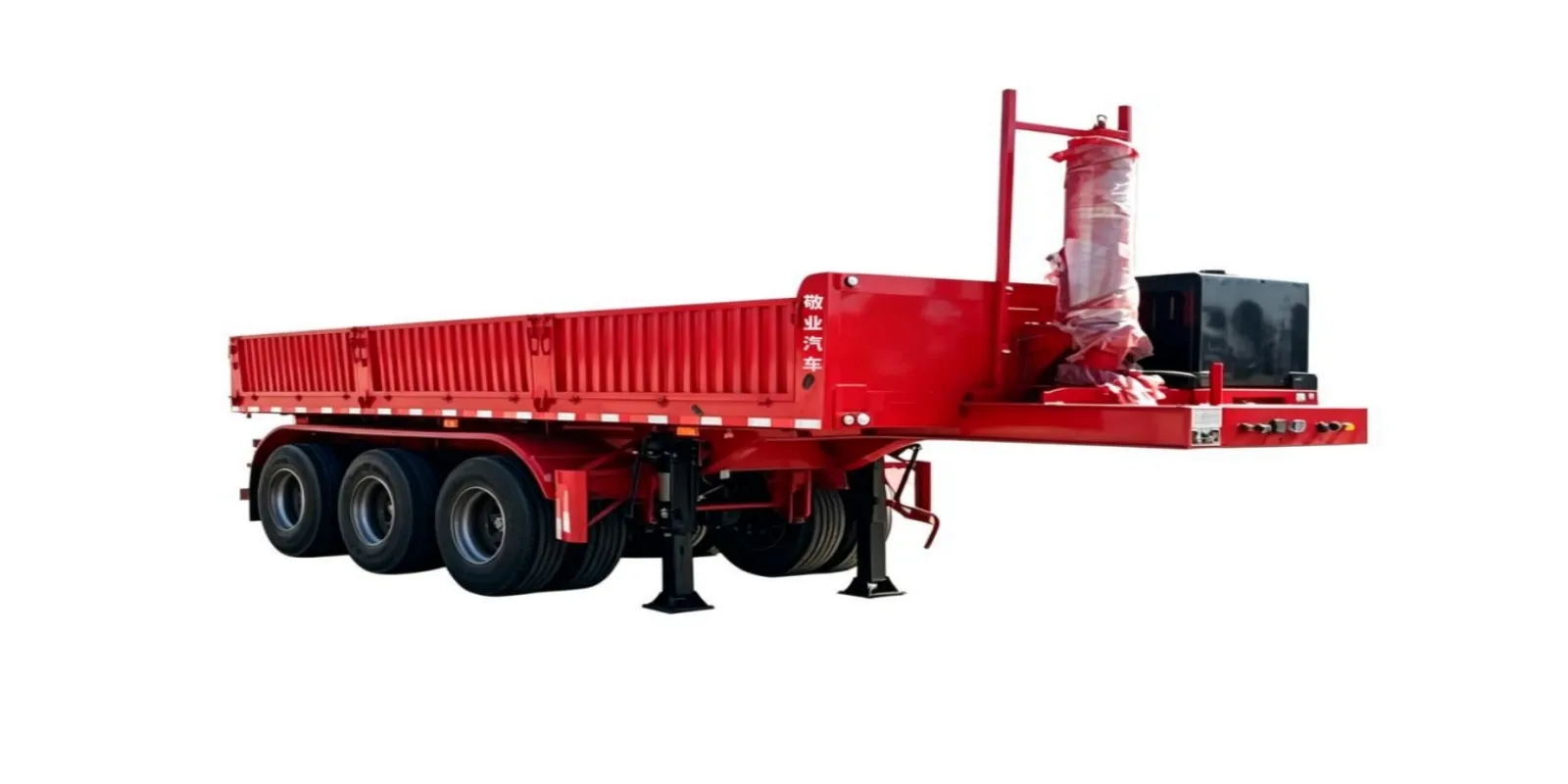
Density tells you whether you fill the body or hit the axle limit first, and those two want different vehicles. The road tells you what breaks — on a haul road, almost always the frame. Side tipping suits free-running material on ground level enough to tip across; rear tipping suits material that sticks and ground that is not.
Machinery and project cargo are not heavy in the way a full trailer of aggregate is heavy. The mass arrives through tracks, outriggers or a few small feet, and where it lands is what decides whether the deck survives.
That makes concentrated load rating the number to check rather than payload — and it makes deck height and ramp access the practical constraints on whether the load gets on at all.
Scrap is awkward in three ways: the density is inconsistent, it is abrasive, and it usually goes on by grab rather than chute or shovel.
Each one pulls the specification a different way — volume against payload, floor material against cost, body strength against the loading method. It is one of the few jobs where how the load goes on matters as much as what it is.
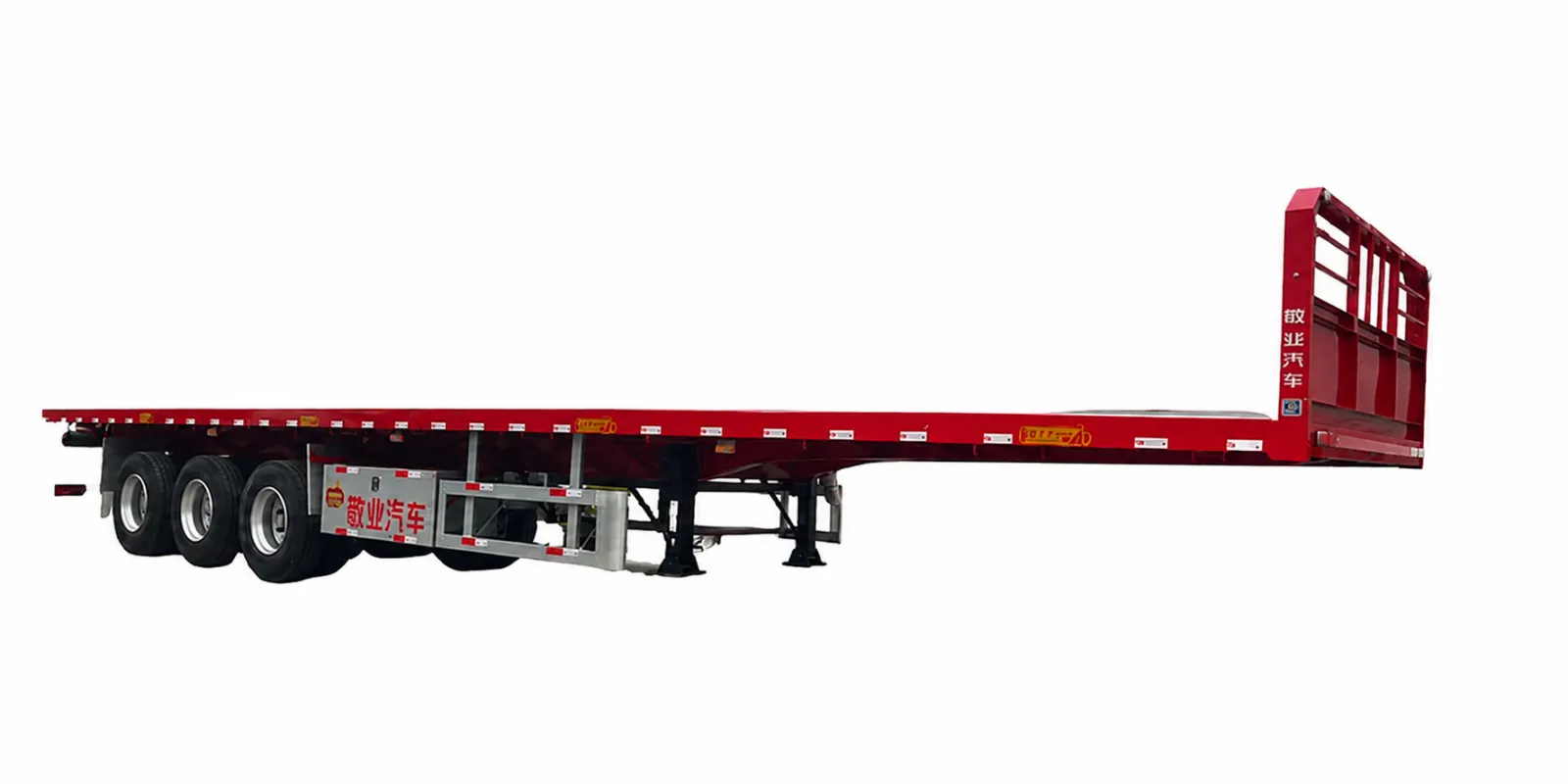
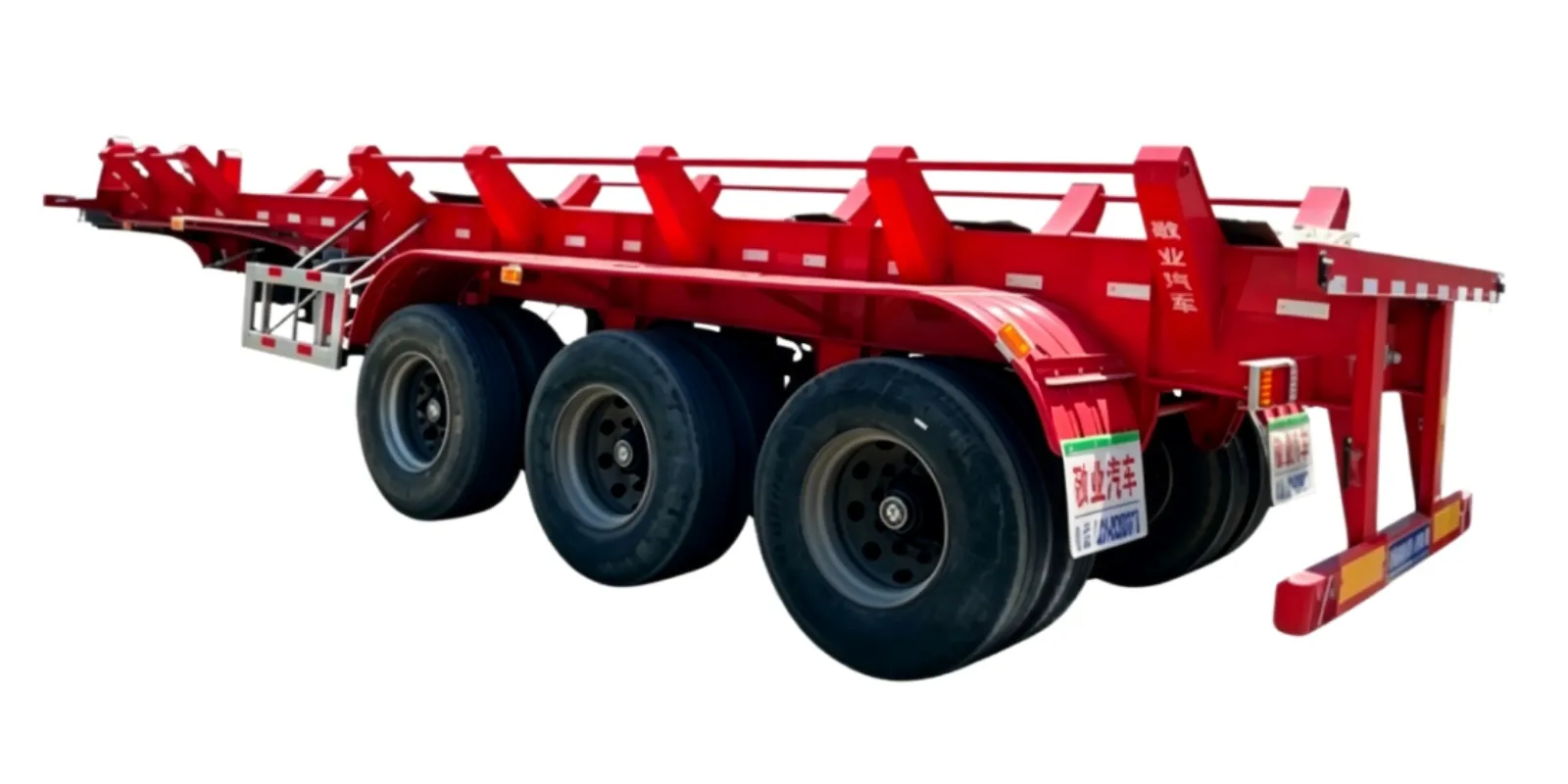
Steel and containers look like different traffic and share one problem: the load is dense, and it arrives on the deck in a very small footprint.
Coil concentrates its whole mass into a footprint the size of a doormat. A container puts its mass into four corner castings. In both cases the useful question is not what the trailer can carry but where it can carry it.
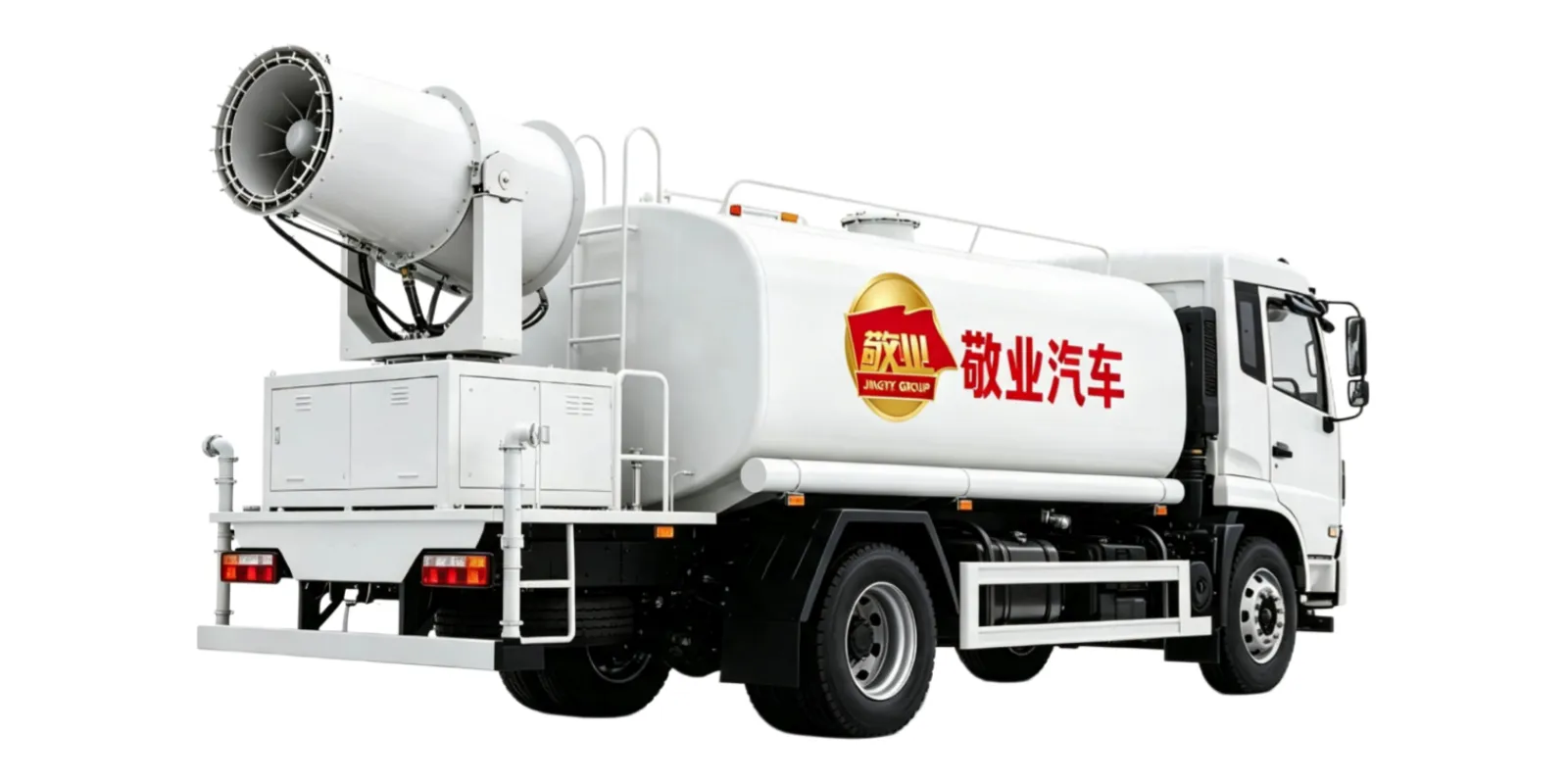
Municipal and site water work is specified backwards from the duty, not forwards from the tank. What the water is for, where it comes from and how far away that is settle the pump, the spray arrangement and the chassis between them.
Dust is a related but separate problem: water on the ground stops dust being lifted, and a mist cannon treats dust that is already in the air. Most sites with a real problem need both.
Most people who call us describe the job, not the product. Tell us what you haul, how it is loaded and unloaded, and what the road is like at its worst — we will come back with two or three vehicles that fit and say which ones do not.
Tell us the job and we will shortlist two or three vehicles that fit.