Build-to-drawing, private label and bulk supply on our own line: what we can badge, what we can change, minimum quantities and how a factory audit is arranged.
If you arrive with a drawing, we work from it. That is not a special service here — a large part of what leaves this plant is built to a customer's specification rather than to ours.
What we need to see early: the frame drawing and material specification, the running gear you require, and any component you insist on by brand. What usually needs discussion: anything that assumes a fabrication method we do not run, and anything specified to a standard we would have to certify into rather than build to.
We will tell you which parts of a drawing we can build as drawn and which we would need to change — before you commit, not after.
Trailers can leave here in your paint, with your badge, and without ours. For a distributor building a brand in a territory, that is frequently the point.
What we can change: paint scheme and colour, badging and decals, chassis plate layout, and the documentation pack that travels with the vehicle.
What we will not change: anything that would misstate what the vehicle is or where it was built. Type approval documents carry the model designation they were issued against, and a certificate covers the models printed on it. We will badge a trailer for you; we will not re-label a certificate.
Contract work is quoted per programme rather than per unit, because the setup cost of a non-standard build is real and is paid once regardless of quantity.
We do not publish a minimum quantity or a lead time. Both come out of how far the build departs from a line we already run, how many distinct configurations are in the programme, and where it falls in the schedule when you commit.
Send the drawing and the quantity and we will come back with a schedule for your programme.
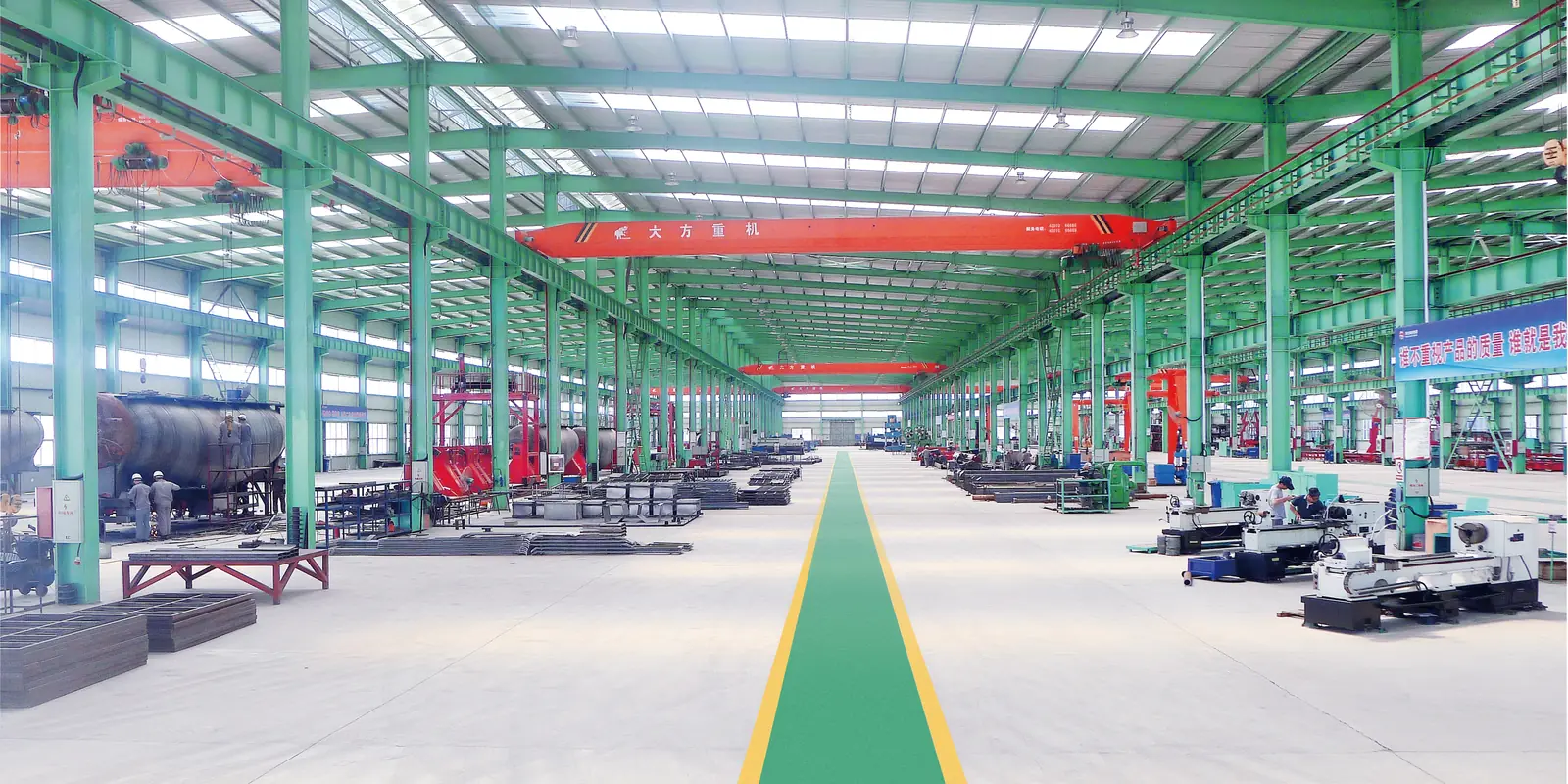
Contract buyers audit, and they should. We are set up for it.
On camera — twenty minutes, any time zone, walking the line. This settles the factory question and costs you nothing.
In person — an audit at the plant, on your schedule, with your own checklist or your customer’s.
Third-party — an inspection body of your choosing, at your cost, at whatever stage of the build you specify.
Whichever route you take, arrange it before the order, not after. An audit that finds something at completion is expensive for both of us.
All ten product lines are available on a contract basis. Four in particular come up most often in supply enquiries, and each has its own page:
Container chassis — gooseneck or straight frame, 4 to 12 lock positions. Dry van — 56.9 m³ sealed body on three axles. Water tanker — built to your tank, pump and spray configuration rather than from a capacity list. Rear tipper — short, tall body at 45° for material that sticks.
Certification, by line: the container chassis and the rear tipper each hold their own CCC certificate, published by model number. The dry van and the water tanker do not currently hold CCC certification.