Ordering trailers in tens or hundreds rather than ones and twos: scheduling, mixed-specification batches, staged shipment and what our delivery records show.
Ordering twenty trailers is not ordering one trailer twenty times.
Scheduling becomes our problem instead of yours. A batch goes into the line as a block, which is why a run of one specification builds faster per unit than a single vehicle.
Get the specification right first. A single vehicle can absorb a late change. A batch cannot — once cutting has started, a change hits every unit behind it. So a batch is quoted against a frozen specification, and we will take an extra week at the front end to get there.
They come out alike. Twenty units from one run and one plate batch are closer to each other than twenty built across a year. Ask the workshop that has to keep them running which they would rather have.
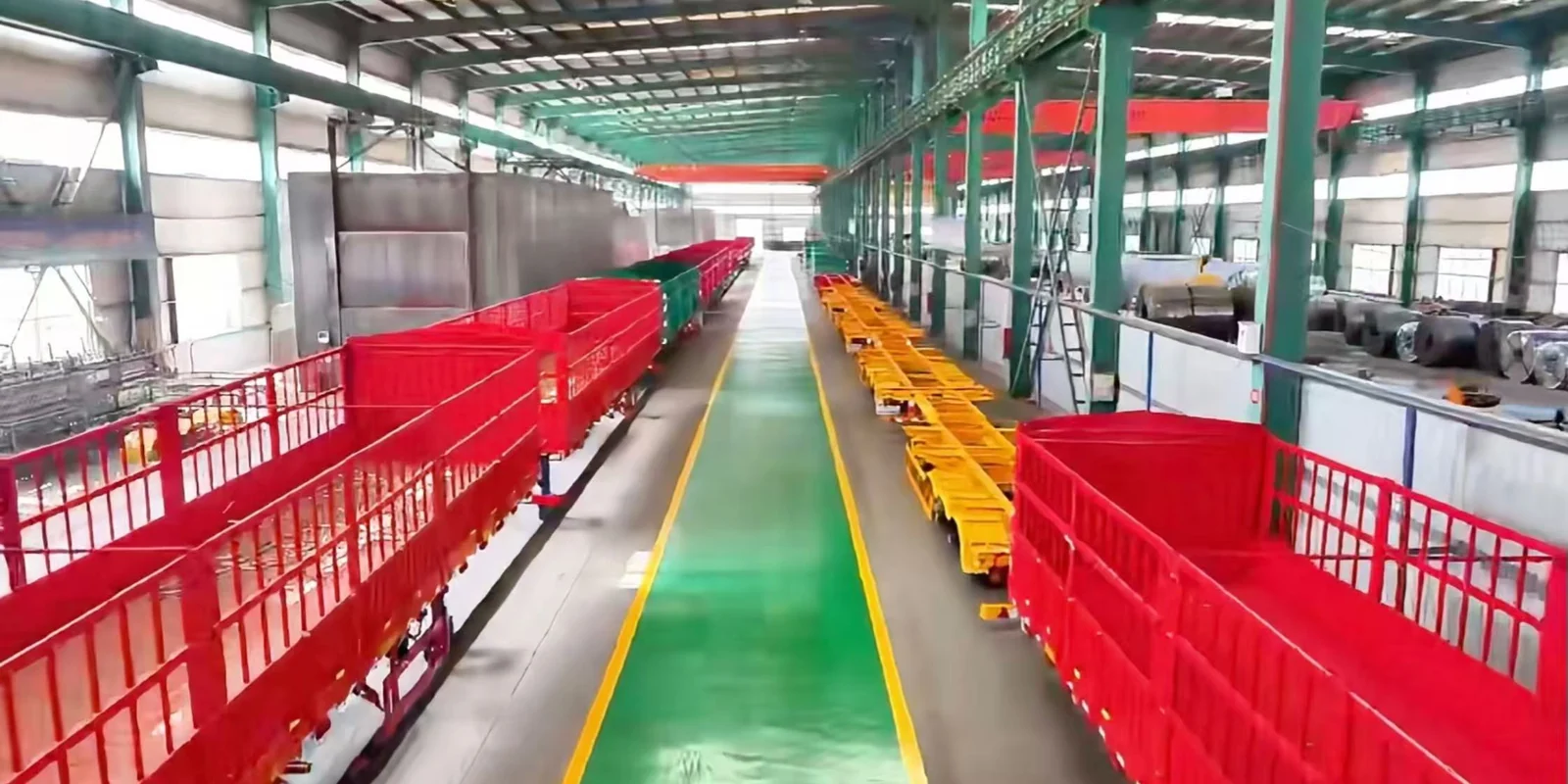
Most real fleet orders are not one specification. They are three or four, in different quantities, arriving together.
That is normal and it gets planned. The cost is time, and time follows the number of configurations, not the number of units — four units each of five specifications takes longer than twenty of one.
So it pays to consolidate. Go through the list and ask what each variant is actually for — in most fleets, two or three of them turn out to be there because that is how it has always been ordered, not because the work needs it.
Large orders usually ship in stages, and it is worth deciding how before the order is placed rather than after.
Staging by specification gets each configuration into service as a complete sub-fleet. Staging by quantity gets vehicles into service earlier but spreads each configuration across shipments. Which is better depends on whether you are replacing an existing fleet gradually or standing up a new operation.
The schedule is quoted against the line for your order. We do not put a lead time on the website — it would be out of date before you finished reading it.
These are batch deliveries from our own records:
710+ units · 300 units · 200 units · 200+ units · 120 units
All of the deliveries above were to customers in China. We are at an early stage in export, and we would rather tell you that than show you a map of countries we have not shipped to.
What those numbers show is capacity to schedule. An order in the hundreds goes through the normal planning here; the plant does not get rearranged around it.
Send the quantity, the specifications and the destination port, and we will come back with a schedule and a staging plan, not just a unit price.
If you have not worked with us before, start with the video tour. Twenty minutes on the line settles the factory question, and for a batch order that question is worth settling first.